
How to Plan a Bar Mitzvah Luncheon: A Step-by-Step Guide

Updated: Sep 14
A Bar Mitzvah luncheon should feel joyful and effortless for your family, while giving guests a thoughtful meal after the morning service. In San Diego, the best plans begin by matching the celebration to the guest list, setting, season, and the level of service you want to provide.
To understand how to plan a bar mitzvah luncheon, start with the guest count, venue, date. Budget, and menu style, then build a timeline for personalized catering, staffing, setup, service, and breakdown.
That planning framework leaves room for the details that make the occasion personal. From a menu shaped around family traditions to seasonal California ingredients and a celebration that works for every generation. Gather by Oren brings Chef Oren Koreh's customized approach to Jewish celebrations, with Bar Mitzvah catering services designed around your vision rather than fixed packages.
With the priorities defined, you can make confident decisions about the space, schedule, and meal before the finer design choices begin.
How to Plan a Bar Mitzvah Luncheon in San Diego Without the Overwhelm
Start by defining what the luncheon should accomplish, then use that objective to guide the guest count, date, venue, room layout, budget, and menu. A clear planning brief gives your family and catering team a practical framework for creating a meaningful San Diego celebration.
Define the luncheon's purpose, tone, and the experience you want guests to have.
Estimate the guest count, including children, older relatives, staff, and volunteers.
Lock in a date range and service timing after the morning ceremony.
Set a realistic budget across food, staffing, rentals, service, decor, and venue needs.
Gather venue, dietary, religious, and cultural requirements into a one-page planning brief.
Before comparing spaces in La Jolla, Del Mar, Coronado, or Rancho Santa Fe, talk through the experience you want guests to have. Is the luncheon primarily a relaxed meal after the morning service, a lively gathering for extended family, or a polished celebration with speeches, music, and dancing? Harvard's event-planning guidance recommends clarifying an event's objective before booking the space, date, or budget. Read the planning guidance as you build your initial brief.
Build a one-page planning brief
Keep the first version simple. You can refine the details after you understand the event's priorities. Write down:
The purpose and tone of the luncheon, from intimate and family-centered to energetic and celebratory.
An estimated guest count, including children, adults, older relatives, event staff, and volunteers who may also need a meal.
A preferred date range and service timing after the morning ceremony or synagogue service.
A realistic budget range that accounts for food, staffing, rentals, service, decor, entertainment, and any venue requirements.
Accessibility, religious, cultural, and dietary considerations that should shape the menu and room setup.
This early outline also helps you compare venues on more than appearance. Consider parking, guest flow, kitchen access, sound needs, seating, and the amount of time available for setup and breakdown. A beautiful room may not be the right fit if guests will struggle to move between the meal, speeches, and celebration.
Decide what level of support you need
Full-service catering is more than delivering food. It includes menu design, professional staffing, setup, service, and breakdown, so the catering scope should be part of your first planning conversation. That support can be especially valuable when the luncheon is held at a private home, community space, or venue with specific loading and service rules.
For a chef-led celebration, discuss how the menu can reflect your family's story while working for a multigenerational guest list. Gather by Oren's Bar Mitzvah catering services can be shaped around the occasion, venue, season, and dietary needs. A conversation about personalized menu planning can also help you decide whether the luncheon calls for a plated meal, family-style service, or stations with easy-to-enjoy selections.
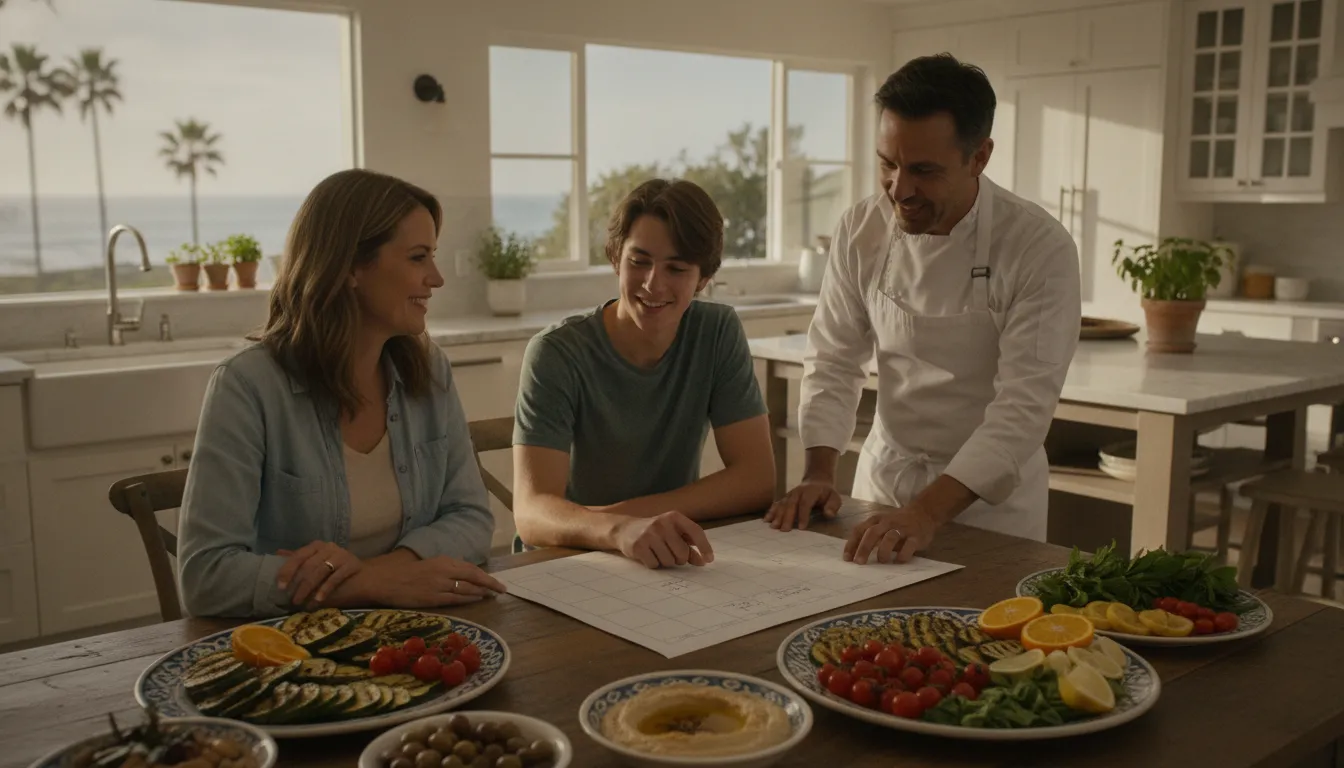
Once the objective and practical parameters are clear, you can request an informed consultation rather than a generic quote. Bring your brief, guest estimate, preferred dates, venue ideas, and any family or faith-based requirements. The result is a stronger starting point for a luncheon that feels personal, runs smoothly, and gives guests room to celebrate together.
Setting the date and choosing between a luncheon and an evening reception
Choose the date and service style together: start with several possible dates. Then match the timing to your guest flow, venue availability, meal format, and the atmosphere you want to create.
San Diego Bar Mitzvah planning often involves more than one calendar. Families may be coordinating the morning service, a luncheon for relatives traveling from across Southern California, and a celebration that works for both children and adults. Before placing a deposit, brainstorm multiple possible dates. Harvard's event-planning guidance recommends identifying a few dates before booking so scheduling conflicts with campus or local activities are less likely: review the date-planning guidance as you build your shortlist.
In practice, availability may shape the decision as much as tradition or preference. Some families begin planning as much as three years ahead, while others organize the event about six months before the celebration. The right lead time depends on the season, guest count, venue, and complexity of the service. A Saturday luncheon in La Jolla or Rancho Santa Fe may require a different search strategy than an evening reception in downtown San Diego or Coronado.
List several acceptable dates rather than anchoring on one weekend.
Confirm the service schedule, travel needs, school calendars, and major local events.
Ask each venue about access, setup windows, noise limits, and breakdown requirements.
Hold the date only after the room layout and catering timeline are workable.
When a daytime luncheon is the better fit
A luncheon can create an inviting transition from the morning service into a relaxed meal and celebration. It may suit families who want guests home at a reasonable hour, or who are hosting older relatives and younger children together. Daylight also benefits venues with strong outdoor or architectural settings, such as a garden property near Rancho Santa Fe. A coastal space in Del Mar, or a private room in La Jolla.
Keep the guest flow simple and comfortable. A pre-prepared, easy-to-eat meal can help guests move naturally between conversation, dining, speeches, and the celebration itself. The room might use banquet tables for a shared meal, a reception arrangement for more movement, or a combination that gives children room to participate without interrupting service. Harvard identifies theater, banquet, and reception layouts among the setup options that can shape room flow.
When an evening reception makes sense
An evening reception generally allows for a more pronounced arrival, cocktail hour, formal dinner, and dance-floor progression. Guests can move from a welcome area into dinner and then toward music or other activities as the room changes purpose. That sequence can work well in a larger ballroom, hotel event space, or distinctive venue near Coronado or downtown San Diego.
Evening service usually requires careful attention to lighting, vendor access, staffing, and the time needed to transform the room. Ask how early the catering team can enter, whether tables can be preset, and when breakdown must be complete. Full-service catering can coordinate menu design, professional staffing, setup, service, and breakdown, which keeps the family focused on the celebration rather than the room reset.
Compare the options by asking:
Will guests be more comfortable with a seated meal, active stations, or a reception-style flow?
Does the venue feel strongest in natural daylight or evening lighting?
How much time is available between the service, meal, speeches, and dancing?
Which format best reflects the family's vision and the guest mix?
Once the date and format are clear, a chef-led caterer can shape a seasonal menu around the venue, timing, and celebration. Gather by Oren creates personalized Mitzvah experiences with Chef Oren Koreh directly involved in menu curation, from the first consultation through service.
Selecting a menu format: plated, family-style, or stations
For a Bar Mitzvah luncheon, choose the menu format that best matches the room flow, guest experience, and level of service you want. Plated meals feel polished, family-style service creates shared conversation, and stations offer flexible movement when guests arrive or dine at different times.
The meal should be easy to enjoy after the morning service, especially when the guest list includes grandparents, parents, teenagers, and younger children. Georgia Tech's event catering guidance recommends a lunch that is pre-prepared, easy to eat, and fortifying. That principle supports a menu with thoughtful pacing and familiar points of entry, while still allowing Chef Oren to bring seasonal San Diego ingredients into the experience.
Format | Best for | What guests experience | Planning considerations |
Plated | A formal luncheon with a defined schedule | Each guest receives a composed meal at the table, creating a calm and polished rhythm. | Confirm guest selections, dietary needs, table assignments, and service timing in advance. This format works well with banquet seating and speeches. |
Family-style | A warm, social gathering centered on shared tables | Platters and serving bowls move around the table, encouraging conversation and giving guests some choice. | Allow enough table space for shared dishes and keep portions easy to pass. A chef-led menu can combine seasonal salads, generous mains, and sides that appeal across generations. |
Stations | A more flexible reception-style room with varied preferences | Guests move between thoughtfully arranged areas and can build a meal at their own pace. | Plan station placement, queue flow, accessibility, and staffing carefully. Stations can work especially well when the luncheon includes mingling, activities, or staggered arrivals. |
Match the format to the room
Menu format and room setup should be planned together. A banquet arrangement supports seated service, while a reception-style layout leaves more room for movement between stations. Harvard's event-planning guidance identifies theater, banquet, and reception setups among the options to consider, along with configurations such as U-shape and hollow rectangle tables. The right choice depends on whether the luncheon prioritizes conversation, a focused meal, presentations, or a combination of all three.
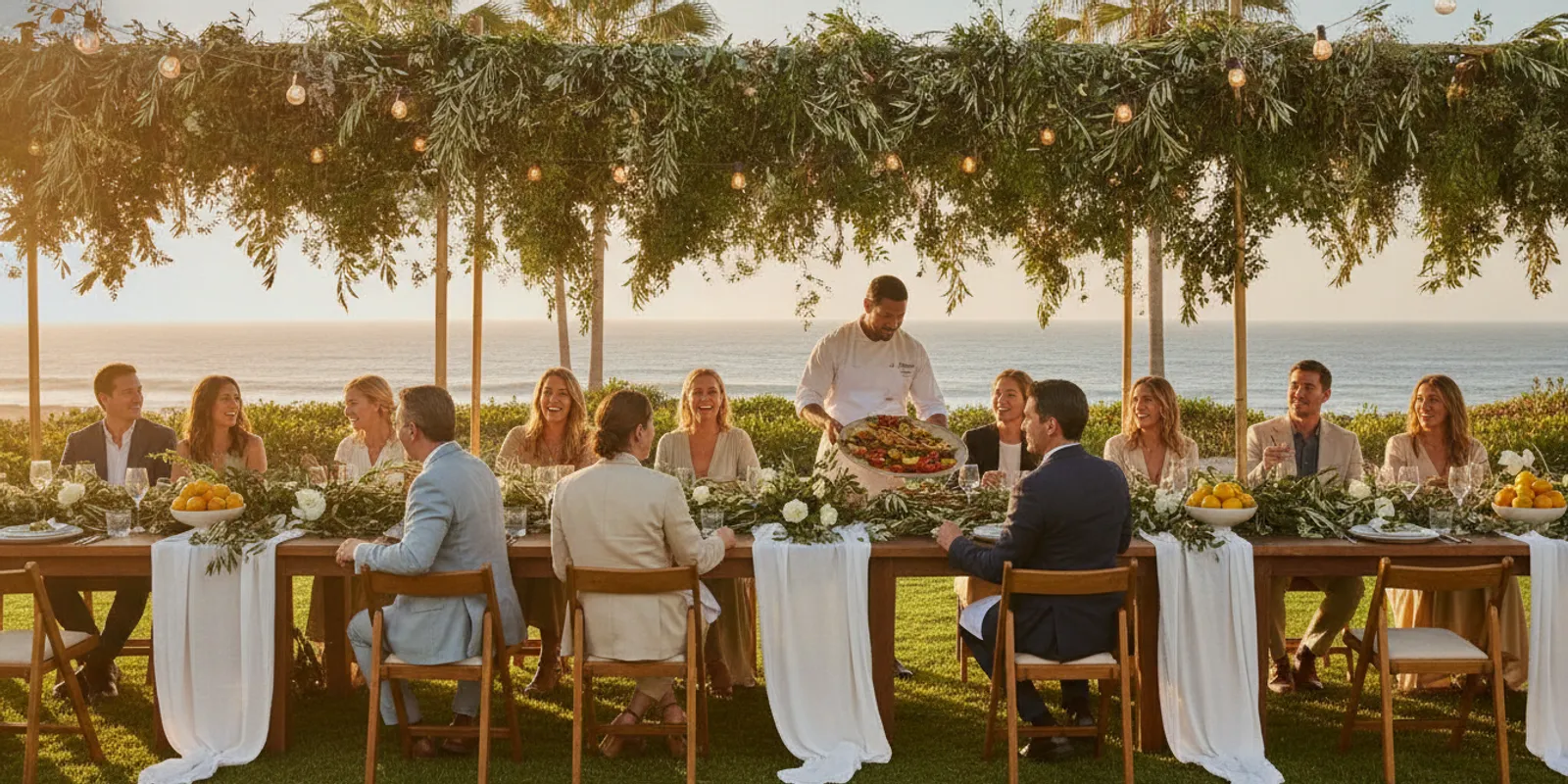
In a San Diego venue, that might mean a plated luncheon in a private dining room in La Jolla. Family-style service at a Rancho Santa Fe celebration, or stations that let guests circulate through a reception space near Del Mar or Coronado. Seasonal California citrus, local avocados, and carefully prepared seafood can make any format feel distinctly regional without making the menu difficult to navigate.
Build choice into the menu without losing cohesion
Variety does not require a scattered menu. Start with one clear culinary direction, then shape the format around it. A family-style Mediterranean-inspired luncheon might pair colorful salads with a composed fish or poultry entrée and seasonal vegetables. Stations could offer several coordinated tastes, while a plated menu could give each course a more deliberate presentation.
For more inspiration, review these elevated Bar Mitzvah catering ideas, then discuss how the concepts fit your guest count, venue, schedule, and service goals. A chef-led caterer should help you weigh presentation against practicality, so the final meal feels personal, generous, and effortless for your family and guests.
Managing dietary needs for a multigenerational guest list
A successful Bar Mitzvah luncheon gives every guest a clearly communicated, thoughtfully prepared option. From children with familiar tastes to adults observing kosher-style, allergy, vegetarian, vegan, dairy-free, or gluten-free preferences.
A multigenerational celebration may bring grandparents, teenagers, young children, and guests from different cultural backgrounds to the same table. The goal is not to create a separate meal for every person. It is to design a cohesive menu with enough variety, clear service protocols, and respectful attention to dietary requirements.
Gather dietary information early
Start by asking about dietary needs on the invitation, RSVP form, or event questionnaire. Ask guests to identify allergies, intolerances, religious requirements, and lifestyle preferences rather than relying on broad labels alone. A guest who selects "gluten-free," for example, may need strict avoidance of cross-contact, while another may simply prefer fewer wheat-based dishes.
Georgia Tech event guidance recommends asking whether guests have special dietary needs and clearly communicating those needs to the caterer. Share the final list with the catering team well before the luncheon, then confirm how those meals will be prepared, labeled, and served. This creates a practical plan instead of leaving a sensitive request to chance on the event day.
- Allergies:
Identify the specific allergen and the level of separation required. Confirm ingredients, preparation procedures, and who will answer questions during service.
- Kosher-style needs:
Clarify the family's expectations, including ingredient restrictions, preparation preferences, and whether separate utensils or service practices are needed. Do not assume that "kosher-style" means the same thing for every household.
- Vegetarian and vegan guests:
Plan substantial dishes, not just a side salad. Seasonal vegetables, grains, legumes, and carefully composed salads can feel like part of the main menu.
- Dairy-free and gluten-free guests:
Build naturally suitable dishes into the menu where possible, and clearly identify any sauces, breads, desserts, or garnishes that require substitutions.
Make the menu work for children and adults
Age-appropriate choices help the meal feel welcoming without lowering the culinary standard. Children may appreciate approachable portions, familiar flavors, and easy-to-eat foods, while adults may look forward to more layered seasoning, seasonal produce, and chef-led specialties. A well-planned luncheon can offer both within one cohesive menu.
For example, a San Diego celebration might pair approachable grilled chicken or roasted vegetables with seasonal California citrus, local avocados, or a composed grain salad. The exact menu should reflect the family's preferences, the season, the venue, and the service format. An experienced caterer can help balance those choices with the event's cultural and religious considerations.
Count everyone who needs a meal
Finalize the meal count beyond the invitation list. Include children, hosts, vendors, staff, volunteers, and any likely walk-ins. Georgia Tech specifically advises including staff and volunteers in the meal count. Providing those meals in the initial plan helps the catering team prepare accurate quantities and keeps service running smoothly.
Gather by Oren can help families translate a complex guest list into a personalized luncheon menu, with professional staffing and clear service coordination from setup through breakdown. For guidance tailored to your San Diego celebration, explore the Bar Mitzvah catering services available from Chef Oren Koreh.
How to work with a caterer to finalize your Bar Mitzvah menu
The best Bar Mitzvah luncheon menus come from a collaborative consultation that connects your family's traditions, guest list, venue, schedule, and seasonal ingredients.
Once you have a date and a likely guest count, bring your caterer into the conversation early. Some families begin planning milestone celebrations as much as three years ahead, while others begin around six months before the event. That range leaves room for flexibility, but an early consultation gives your culinary team more time to understand the celebration and refine the menu.
Gather by Oren takes a personalized approach rather than offering fixed packages. Chef Oren Koreh creates customized menus for Jewish celebrations, with each luncheon shaped around the family's preferences, the service format, and the character of the event. You can review Bar and Bat Mitzvah catering options before the consultation, then use the conversation to make the menu distinctly yours.
Bring the right information to your consultation
A productive consultation is more than choosing a few dishes. Share the details that affect the guest experience and the practical execution of lunch:
Estimated guest count, including children, adults, musicians, event staff, and volunteers who should be included in the meal count.
Venue details, room layout, kitchen access, loading instructions, and the time available for setup.
Morning service timing, photography, speeches, dancing, and any other moments that affect when guests will sit down or move through the room.
Dietary, cultural, and religious requirements, along with allergies and age-appropriate preferences.
Family favorites, meaningful culinary traditions, and ingredients or dishes you would prefer to avoid.
This information helps the caterer recommend a menu that feels generous without becoming difficult to serve. It also supports a smoother handoff between the ceremony, reception, and luncheon.
Use the season and San Diego setting as part of the menu
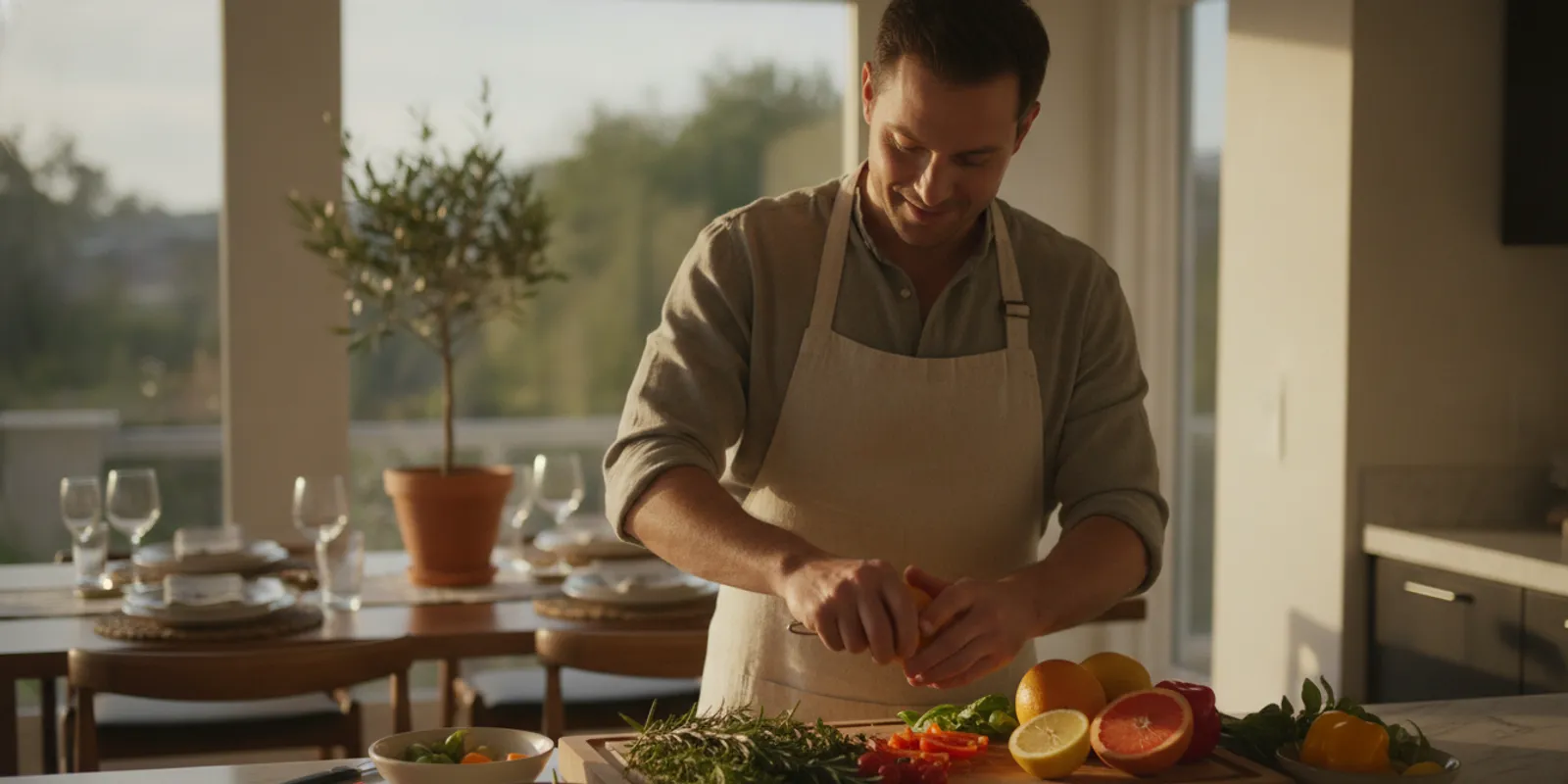
Seasonality can make a luncheon feel connected to its place and time. Depending on the event date, Chef Oren may build the menu around bright Imperial Valley citrus, Carlsbad avocados, seasonal California produce, or line-caught fish. These ingredients can add freshness and a distinctly Southern California character while still leaving room for Mediterranean and Middle Eastern influences.
Ask how each course will hold up from kitchen to table, how children and older guests will experience it, and which elements can be prepared in advance. A thoughtful caterer can balance visual appeal with practical service, whether the luncheon is plated, family-style, or arranged as stations.
Confirm the full-service plan, not only the dishes
Menu approval is one milestone, but the service plan is equally important. Full-service catering includes menu design, professional staffing, setup, service, and breakdown. Confirm who manages each stage, when the room will be ready. How dietary meals will be identified, and how the team will keep service moving if the schedule changes.
That level of coordination lets your family stay present for the celebration instead of managing logistics. Discuss revisions openly, confirm the final guest count and timing, and request a personalized quote that reflects the menu and service your luncheon actually needs.
Request a personalized quote for your Bar Mitzvah luncheon and begin a consultation tailored to your family's vision, guest list, and San Diego celebration.
Frequently Asked Questions
How far in advance should I start planning a Bar Mitzvah luncheon?
Begin as soon as you know the approximate guest count and service date, especially for a popular San Diego venue or a spring celebration. Some families start up to three years ahead, while others plan within six months, depending on venue availability and event complexity (Gather by Oren).
What are the most important elements to consider for a Bar Mitzvah luncheon venue?
Start with the guest count, room flow, service style, accessibility, and proximity to the morning service. Confirm that the space can support the desired setup, whether banquet, reception, or another arrangement, and leave enough room for dining, conversation, and any family remarks (Harvard event planning guidance).
How do you choose a theme for a Bar Mitzvah?
Choose a concept that reflects the celebrant's interests and family story without making the meal feel overly scripted. A color palette, seasonal San Diego setting, meaningful cultural details, and a thoughtfully curated menu can create a cohesive experience while keeping the focus on the milestone.
What should the luncheon menu include?
Plan food that is easy to eat, satisfying, and appropriate for a multigenerational guest list. Share allergies, dietary restrictions, and cultural or religious requirements with the catering team early. Then confirm that staff, volunteers, and other expected attendees are included in the meal count (Georgia Tech catering guidance).
Ready to plan a thoughtful Bar Mitzvah luncheon?
A personalized consultation can help you shape a luncheon that reflects your family's priorities, guest list, and vision for the celebration. Request a personalized Bar Mitzvah catering consultation and menu quote by contacting Gather by Oren. Share your date, setting, and ideas, and the team can discuss a tailored approach for your San Diego event.
Comments