
Wedding Catering San Diego: The Complete Planning Guide

Updated: Sep 14
A wedding menu does more than feed a room. It sets the rhythm of the celebration, welcomes guests into your story, and gives the evening a distinct sense of place. In San Diego, that sense of place might come through California citrus, seasonal seafood. Locally grown avocados, or Mediterranean and Middle Eastern flavors shaped around your family and your venue.
The best wedding catering san diego couples choose combines a chef-led, custom menu with polished full-service execution, including professional staffing, venue coordination, setup, service, and breakdown. That approach lets the food feel personal while the event runs smoothly from the first welcome bite through the final course.
For celebrations in La Jolla, Del Mar, Rancho Santa Fe, Coronado, and throughout San Diego County. The right caterer should bring both culinary point of view and operational experience. The following guide explains how those qualities shape a more thoughtful wedding experience, beginning with the value of direct chef involvement.
Planning a San Diego wedding? Contact Gather by Oren to explore a personalized, chef-led catering plan for your celebration.
Why Chef-Led Wedding Catering Matters in San Diego
Chef-led wedding catering brings culinary direction and thoughtful event execution together, creating a celebration that feels personal from the first tasting through the final course. In San Diego, that means menus shaped by the season, the setting, and the couple's story.
A wedding meal should feel like part of the occasion, not a separate service placed beside it. When the chef is directly involved in menu creation, each course can reflect the couple's tastes, cultural traditions, dietary needs, and the atmosphere they want guests to remember. Chef Oren Koreh brings agricultural heritage, Mediterranean and Middle Eastern expertise, and a farm-to-table perspective to that process, helping transform a broad idea into a considered dining experience.
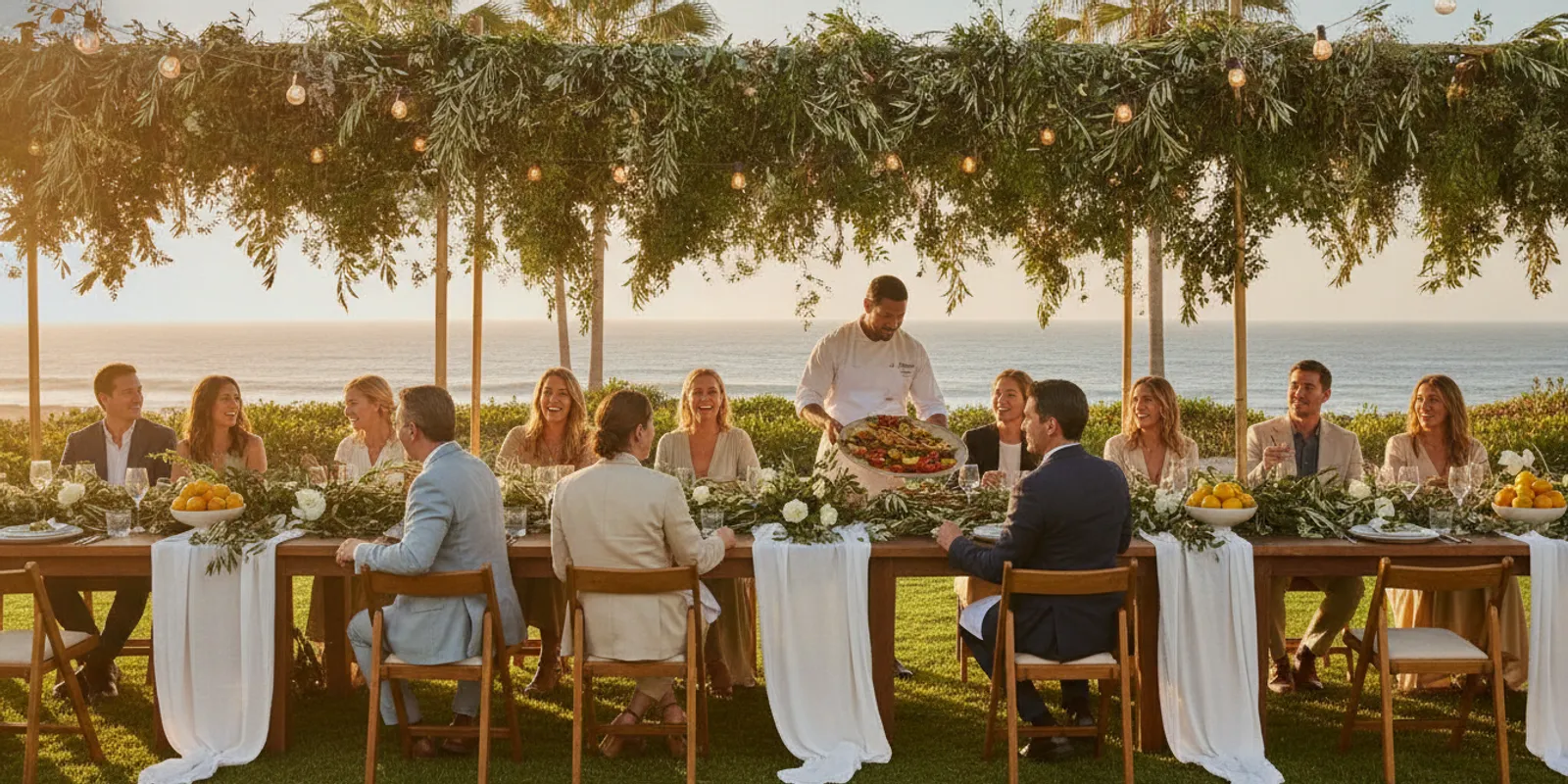
That distinction matters in a region with such varied wedding settings. A menu for an oceanfront celebration in La Jolla may call for bright California citrus, local avocados, and seasonal seafood. A reception in Rancho Santa Fe may invite a more refined expression of garden-grown produce and composed courses. At a historic venue in Coronado or a lively celebration in Del Mar, the food should still feel unmistakably connected to the couple and the place.
More than a menu
Premium service is also measured by what guests do not have to notice. Full-service catering coordinates the details that keep the reception moving, including menu design, venue communication, professional staffing, setup, service, and breakdown. The team works within the venue's access rules, kitchen limitations, floor plan, timing, and service style so the couple can remain present for the moments that matter.
A chef-led, full-service partner brings several elements together in one coordinated plan:
Direct chef involvement in menu design and seasonal sourcing.
Professional service staff who pace courses with the celebration.
Venue coordination covering access, kitchen limits, and floor plan.
Setup, service, replenishment, and breakdown handled by one team.
Experienced staff anticipate needs throughout the evening, from welcoming guests and guiding service to keeping courses paced with speeches, dancing, and photographs. That orchestration protects the feeling of the celebration. It also gives the culinary work room to shine, whether the reception calls for beautifully plated courses, abundant shared service, or an interactive chef-led element.
Seasonality adds another layer of distinction. Working with ingredients at their best supports fresher flavor and gives the menu a natural sense of place. California's changing produce, regional seafood, and locally inspired preparations can make a spring wedding feel different from an autumn reception without forcing the couple into a fixed package.
For couples comparing premium wedding catering services, the essential question is not simply what a caterer serves. It is who is shaping the experience, how carefully the menu responds to the celebration, and whether the team can execute every detail with confidence. A chef-led, full-service partner gives the meal the same level of intention as the ceremony, setting, and design.
How to Plan Wedding Catering in San Diego: A Step-by-Step Timeline
For prime San Diego wedding dates, begin the catering conversation 9 to 12 months ahead. A thoughtful timeline gives your caterer time to coordinate with the venue, shape a seasonal menu, accommodate your guests, and execute every service detail with confidence.
- 9 to 12 months before: Set the foundation.
Confirm your wedding date, venue, estimated guest count, and overall style before requesting catering proposals. Prime dates during the region's busiest wedding periods can fill quickly, particularly at sought-after properties in La Jolla, Del Mar, Rancho Santa Fe, and Coronado. Share the venue's requirements, including kitchen access, load-in rules, rental policies, service restrictions, and the planned ceremony and reception flow.
8 to 10 months before: Choose a full-service partner.
Compare caterers by more than menu photographs. Ask who will lead menu development, how staffing is managed, and how the team coordinates setup, service, and breakdown. This is also the right time to review
booking professional wedding catering in San Diego
so you understand the questions to ask before committing.
- 6 to 8 months before: Begin menu design.
Build the menu around your preferences, cultural traditions, guest experience, venue, and season. San Diego's access to California citrus, local avocados, seasonal seafood, and farm-grown produce can shape a menu that feels connected to place without becoming predictable. Discuss dietary needs early, including vegetarian, vegan, gluten-free, kosher-style, or allergy-aware requests, so alternatives feel intentional rather than added at the last minute.
- 4 to 6 months before: Taste and refine.
Use the tasting to evaluate the full progression of the meal, from passed bites and cocktails through dessert. Consider portion, temperature, pacing, presentation, and how each course supports the next. A chef-led tasting should also clarify which details can be adjusted to better reflect your story and the atmosphere of the celebration.
- 2 to 3 months before: Confirm the operating plan.
Finalize the guest-count range, menu, bar or beverage service, rentals, staffing expectations, floor plan, and key reception times. Your caterer and venue should align on arrival windows, prep areas, equipment, table placement, bussing, and the process for handling schedule changes. This coordination is especially important for outdoor celebrations, historic properties, and venues with limited kitchen infrastructure.
- 2 to 4 weeks before: Lock in the details.
Provide the final guest count, seating information, dietary notes, vendor contacts, and run-of-show. Confirm the ceremony-to-reception transition, speeches, cake service, and any late-night offering. The catering team can then brief staff and prepare a precise service plan.
- Wedding week: Let the professionals lead.
Reconfirm access and arrival details with the venue, then give your planning team room to manage setup, service, replenishment, and breakdown. With the logistics settled in advance, you and your guests can stay present for the celebration, from the first welcome through the final farewell.
Building a Seasonal, Custom Wedding Menu with San Diego Ingredients
A seasonal wedding menu brings San Diego's farms, coastline, and Mediterranean character into the celebration while giving each couple room to make the meal personal. Chef Oren Koreh shapes the menu around the season, the venue, and the people gathered around the table.
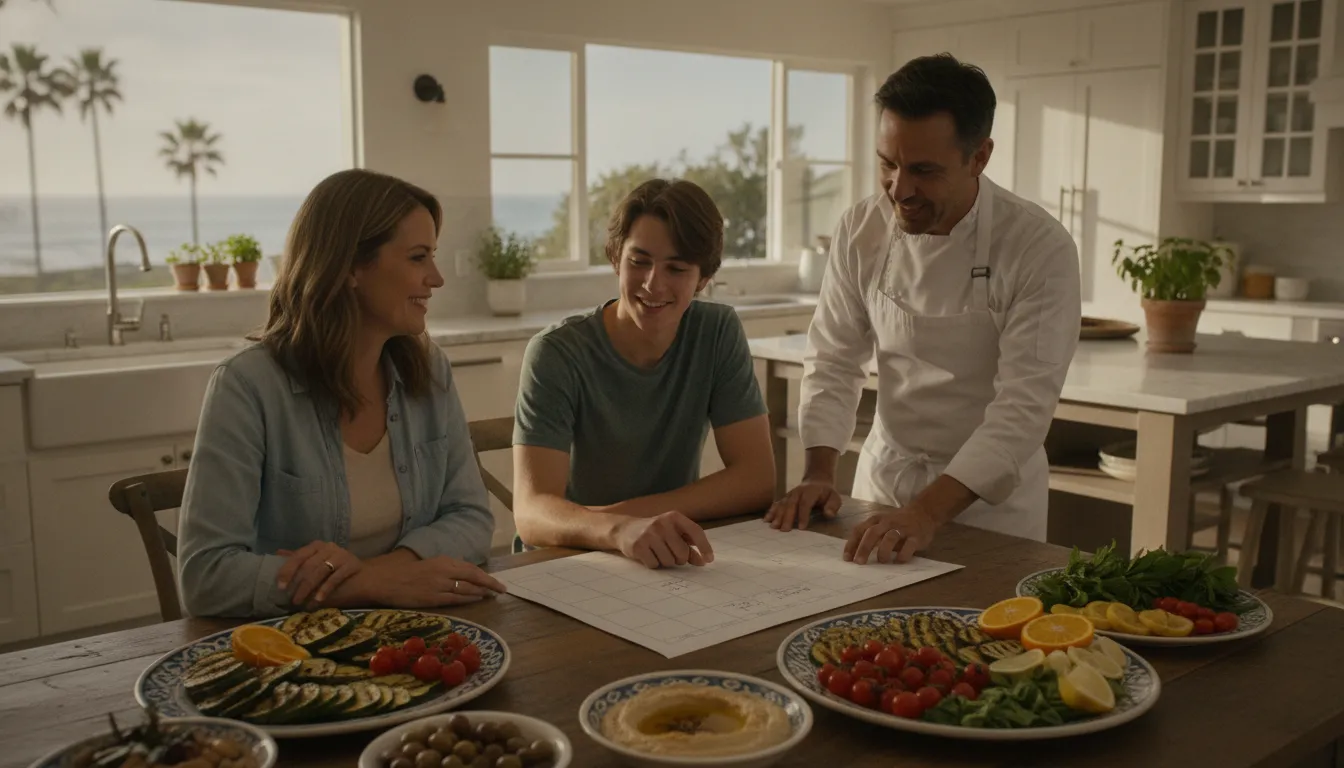
Menu design should begin with your vision rather than a fixed package. Perhaps you want a refined expression of Mediterranean flavors, a family dish reinterpreted for a formal reception. Or a menu inspired by the setting at Rancho Valencia, a coastal property in La Jolla, or a private estate in Rancho Santa Fe. A chef-led conversation helps turn those ideas into a cohesive progression from hors d'oeuvres through dessert.
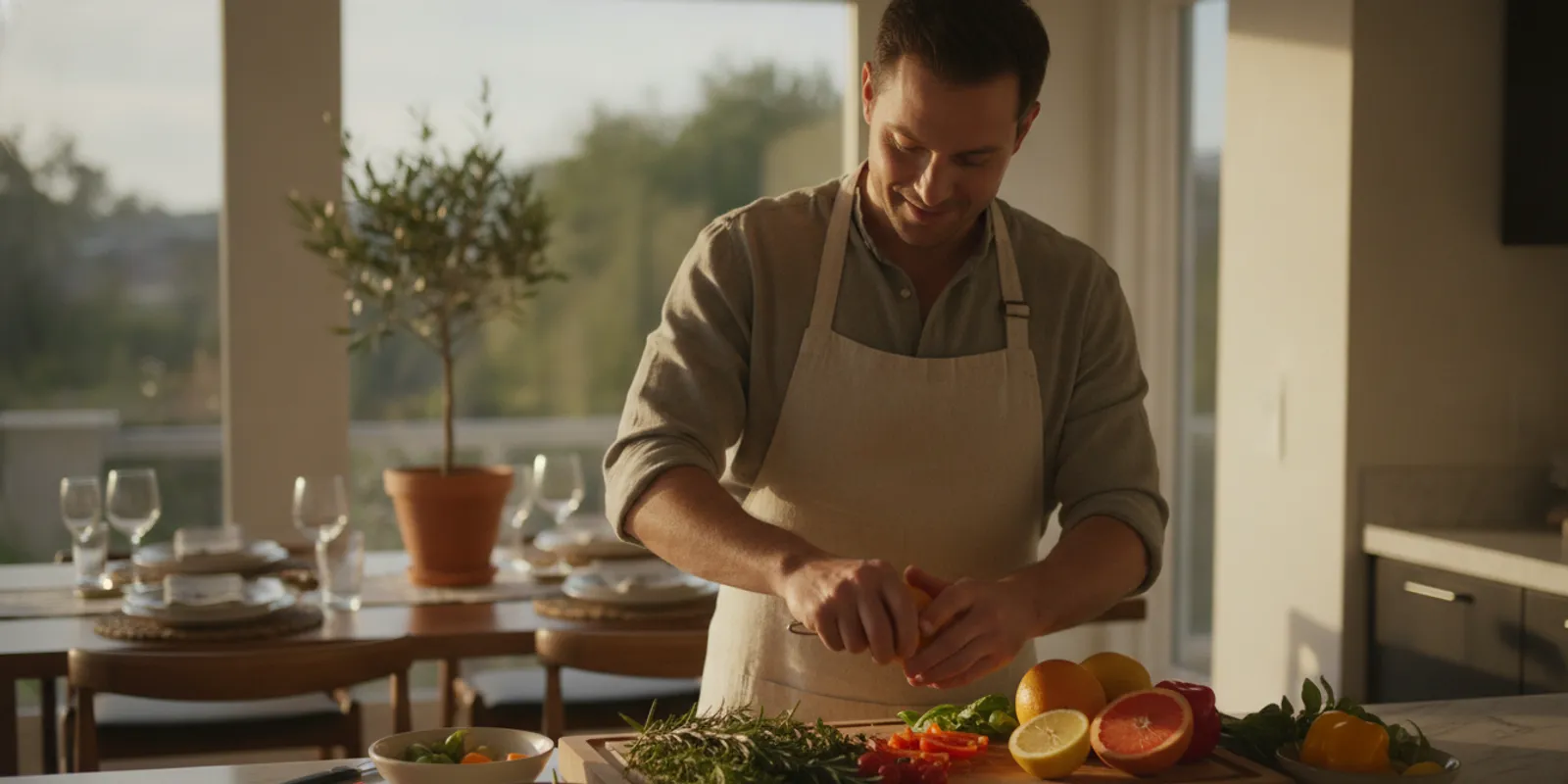
Chef Oren's agricultural heritage and farm-to-table approach inform the ingredients selected for each event. Depending on the season and availability, that might mean bright California citrus, ripe local avocados, or seasonal seafood prepared to suit the tone of the reception. Fresh ingredients are not simply decorative details. They influence flavor, texture, color, and the way a menu relates to San Diego's landscape.
- Season:
Build around produce and seafood at their best, then use complementary preparations to create balance across the meal.
- Place:
Let the venue and neighborhood guide the atmosphere, whether that means polished coastal elegance in Coronado or a warm, garden-forward celebration in Del Mar.
- People:
Consider family traditions, cultural requirements, allergies, and dietary preferences early, so every guest can enjoy a thoughtful meal rather than an afterthought.
Bespoke planning also makes dietary flexibility more graceful. Vegetarian, vegan, gluten-free, halal, and allergy-aware needs can be considered within the overall menu architecture, with clear service communication and dishes that feel intentionally composed. Cultural requirements can be honored without making the guest experience feel divided or overly limited.
The format can be just as personal as the ingredients. A plated dinner creates a measured, elegant rhythm, while stations encourage movement and conversation. Interactive chef stations can add a sense of theater and immediacy, allowing guests to see dishes finished or customized during the reception. The right choice depends on your guest list, service style, venue layout, and desired pace.
Couples can review sample wedding catering menus as a starting point, then refine the direction through consultation and tasting. Gather's premium wedding catering services are designed around that collaborative process, connecting seasonal cooking with full-service execution.
Popular San Diego Wedding Catering Service Styles Compared
The best wedding catering style in San Diego depends on the atmosphere you want and the shape of your reception. It also depends on how you want guests to experience the meal. Plated dinners, buffets, food stations, and interactive chef stations can all feel polished when the menu, staffing, and service plan are designed around the venue and guest list.
Style | Guest experience | Formality | Best fit |
Plated dinner | Guests remain seated while courses are served to the table, creating a paced and highly coordinated meal. | Formal and refined | Evening weddings with a structured reception, assigned seating, and a traditional dinner program. |
Buffet-style | Guests select from a curated spread and can choose portions and combinations that suit their preferences. | Relaxed to moderately formal | Receptions that value variety, flexible pacing, and an easy flow between dining and celebration. |
Food stations | Guests move among several composed displays, creating a more social and exploratory dining experience. | Casual to elevated | Large or open-layout receptions where couples want variety and natural movement throughout the room. |
Interactive chef stations | Chefs prepare or finish selected dishes in view of guests, adding conversation, aroma, and a sense of occasion. | Elevated and contemporary | Couples who want a memorable culinary focal point that reflects their personality and menu story. |
How should couples choose among these formats?
Start with the wedding day experience rather than choosing a format from a checklist. A plated dinner may suit an intimate celebration at Rancho Valencia or a formal reception in Coronado. While stations can work beautifully in a spacious Del Mar or La Jolla setting. A buffet can offer practical flexibility, but it still requires thoughtful presentation, replenishment, and attentive service. Interactive stations can bring energy to cocktail hour or become a signature late-night experience, particularly when the chef's technique and ingredients are part of the story.
The venue matters as much as the menu. Kitchen access, guest flow, electrical needs, service timing, and available space should be reviewed before the final format is selected. A full-service caterer can coordinate those details with the venue while adapting a custom menu to the season, cultural traditions, and dietary needs of the couple's guests. For a closer look at premium wedding catering services, review how the service approach can be tailored to your celebration.
Choosing the Right San Diego Venue and Neighborhood for Your Catering
The right San Diego wedding venue should support both your guest experience and your catering plan. A skilled caterer evaluates access, kitchen facilities, service routes, guest flow, weather exposure, and venue rules before designing the menu and staffing plan.
San Diego's neighborhoods offer distinctly different settings, and each one can shape the rhythm of the reception. A La Jolla celebration may call for a coastal menu and service plan that respects ocean air, limited loading access, and a terrace exposed to changing evening temperatures. Del Mar venues often pair relaxed coastal elegance with garden or outdoor spaces, making timing, shade, power access, and discreet service stations important planning details.
Rancho Santa Fe brings a more secluded inland atmosphere, with estates and private properties that may require careful coordination around parking, delivery windows, equipment placement, and service access. Coronado weddings can feel polished and intimate, but island traffic, waterfront conditions, and venue-specific load-in procedures deserve attention well before the event. These details are not administrative afterthoughts. They influence how food is prepared, where staff can work, and how smoothly dinner reaches the table.
Match the catering plan to the venue's practical realities
Ask prospective caterers how they work within the venue's constraints. A few practical questions will reveal how smoothly the team can operate on your wedding day:
Is there a licensed prep kitchen, or will the team need to bring mobile equipment?
Where can deliveries arrive, and how far is the kitchen from the dining area?
Can staff use the venue's tables, refrigeration, and power supply?
Are there restrictions on open flame, cooking demonstrations, or late-night breakdown?
These questions matter whether you are planning a plated dinner in La Jolla, chef-led stations at a Del Mar estate, or a family-style celebration in Rancho Santa Fe. A caterer experienced across event types can adapt the service model without losing the feeling of a thoughtfully composed meal. Gather by Oren provides end-to-end orchestration, including bespoke menu design, professional staffing, and venue partnership coordination, for events ranging from intimate gatherings to larger celebrations.
Venue coordination should also account for the guest list. Older relatives may appreciate shorter walking distances and comfortable seating, while a large multigenerational wedding may benefit from clearly positioned stations and attentive table service. Cultural traditions, dietary needs, ceremony timing, and sunset photography can all affect the order and pace of service.
When comparing premium wedding catering services, look beyond the sample menu. Choose a team that will communicate directly with the venue, anticipate the property's limitations, and translate the setting into a cohesive dining experience. The best plan makes the location feel intentional, from a coastal welcome bite to a seasonal inland dinner. While keeping the couple and their guests focused on the celebration.
How Professional Staffing and Food Safety Protect Your Wedding Day
Professional wedding catering protects more than the meal: trained staff coordinate setup, service, food holding, guest needs. And breakdown so your celebration feels effortless and safe from the first arrival to the final toast.
On a wedding day in San Diego, service has to move with the event. Guests may arrive at different times, speeches can shift the dinner schedule. And an outdoor reception in Coronado or Rancho Santa Fe may bring different demands than a ballroom celebration in La Jolla. Professional staffing gives each part of the service a clear owner. The team can prepare the dining area, coordinate with the venue, replenish stations. Answer questions about ingredients, and keep the flow comfortable without pulling the couple or their family into operations.
That attentiveness is part of a full-service experience. Gather by Oren handles menu design, professional staffing, setup, service, and breakdown, with venue coordination built into the execution. Staff are prepared to anticipate guest needs, from guiding someone toward an appropriate dish to keeping service moving when the timeline changes. They also help protect the visual quality of the meal by maintaining clean stations, polished presentation, and a dining room that stays composed throughout the reception.
Safe holding keeps every course at its best
Food safety depends on disciplined holding and serving practices, not just careful cooking. The FDA recommends keeping hot foods at 140 F or warmer and cold foods at 40 F or colder. Perishable food left at room temperature should be discarded after two hours unless it is being held at a safe hot or cold temperature. For an outdoor wedding where the temperature rises above 90 F, that window decreases to one hour.
For a thoughtfully planned reception, this means the catering team considers timing, equipment, guest volume, and the service format together. Hot and cold holding helps protect dishes during photographs, ceremonies, speeches, and other pauses between courses. At a buffet, nearly empty serving dishes should be replaced with freshly filled ones rather than topped off with new food, another practice outlined by the FDA. Egg dishes such as quiche or souffles should be thoroughly reheated to 165 F before service.
Food safety is part of guest care
The CDC notes that restaurants, banquet facilities, schools, and other institutions account for more than half of foodborne illness outbreaks in the United States. Making consistent food safety practices especially important at large gatherings. A professional team builds those practices into the service plan while also respecting dietary and cultural considerations. That combination allows couples to focus on their vows, their guests, and the celebration. Confident that the meal is being managed with the same care as every other detail.
Have questions about your San Diego wedding catering plan? Talk to the Gather by Oren team and start shaping a menu that reflects your vision.
Frequently Asked Questions
How much does it cost to cater a wedding in San Diego?
Wedding catering costs depend on guest count, menu style, ingredients, service level, rentals, staffing, venue logistics, and the season. Premium catering is best quoted after reviewing your venue, priorities, dietary needs, and desired guest experience, rather than selecting a fixed package that may not fit your celebration.
What should I look for when choosing a wedding catering service?
Look for a caterer who can customize the menu, explain the tasting process, coordinate with your venue, and provide professional staffing from setup through breakdown. Ask how the team handles dietary requirements, service timing, rentals, and changes to the event plan. The right partner should make the food feel personal while keeping the reception well organized.
How far in advance should I book my wedding caterer in San Diego?
For prime wedding dates, booking 9 to 12 months ahead is a practical planning target. Popular venues and preferred dates in La Jolla, Del Mar, Rancho Santa Fe, and Coronado can fill quickly. So earlier outreach gives you more flexibility with tastings, menu development, venue coordination, and seasonal availability.
What are popular wedding catering styles in Southern California?
Plated dinners, buffets, and food stations are all popular options. Plated service creates a polished, timed experience, while stations encourage movement and variety. A menu can also combine formats, such as a seated first course with interactive stations later, depending on your venue, guest list, reception flow, and overall vision.
Ready to Shape Your San Diego Wedding Menu?
A thoughtful catering plan brings your vision, venue, season, and guest experience together with greater ease. Gather by Oren can help you explore a refined, personalized approach for your celebration, from menu direction through full-service execution. To request a personalized consultation and custom quote, contact Gather by Oren about your wedding catering. Share your date, venue, and ideas, and start a conversation about what your day should feel like.
Comments