
Gluten Free Mitzvah Catering San Diego Guide

Planning a Mitzvah menu in San Diego means bringing together children, parents, grandparents, and extended family, often with very different dietary needs. A thoughtful menu should feel celebratory for everyone. The planning process gives families a clear way to discuss ingredients, allergies, cross-contact concerns, and service details before the event.
Gluten free mitzvah catering san diego should begin with an advance consultation. That consultation distinguishes gluten-free preferences, celiac-related requirements, food allergies, and other dietary needs. The plan then carries those details through menu design, preparation, staffing, and service.
Gather by Oren creates chef-led, seasonal menus for Mitzvah celebrations across La Jolla, Del Mar, Rancho Santa Fe, Carmel Valley, and surrounding communities. Chef Oren's team can coordinate full-service menu design, setup, service, and breakdown while keeping the family's vision at the center.
Explore San Diego Mitzvah catering and tell us what your celebration requires.
The first step is understanding which dietary restrictions are most common and what each one means for an inclusive event menu.
What Dietary Restrictions Are Most Common at San Diego Mitzvah Events?
Common needs include gluten-free, celiac-aware, wheat-allergy, vegetarian, vegan, and kosher-style accommodations. Each describes a different requirement, so the family and caterer should clarify the guest's needs before finalizing ingredients, preparation, and service.
San Diego Mitzvah celebrations often bring together children, parents, grandparents, and extended family. A menu for a gathering in La Jolla, Del Mar, Rancho Santa Fe. Or Carmel Valley may need to feel cohesive while giving guests with different dietary requirements confidence in what they can enjoy.
Gluten-free needs are not all the same
Celiac disease is an autoimmune condition in which gluten can damage the lining of the small intestine. For someone with celiac disease, a gluten-free diet is a long-term medical requirement, not simply a preference. Gluten occurs naturally in wheat, barley, rye, and triticale, and it can appear in familiar items such as breads, pastas, baked goods, cereals, and baking mixes. See the NIDDK guidance on celiac disease and gluten for the medical distinction.
Non-celiac gluten sensitivity does not cause the same type of small-intestine damage as celiac disease. A wheat allergy involves an immune response to wheat proteins. Those differences matter when a family describes a request as "gluten-free," "wheat-free," or "allergy-aware." The service team should ask what the guest needs avoided and whether cross-contact is a concern. Rather than interpreting the label on its own.
Other common requests at a Mitzvah
Families may also request vegetarian or vegan selections, halal accommodations, or kosher-style service. Gather documents these as separate accommodation categories and does not equate kosher-style service with certified kosher service. A thoughtful menu can still feel celebratory, with naturally gluten-free choices such as seafood, meat. Fruit, vegetables, and some grains, provided ingredients and preparation practices are confirmed for the individual request.
Ask whether the need involves celiac disease, a wheat allergy, sensitivity, or personal preference.
Identify vegan, vegetarian, halal, and kosher-style requirements separately.
Share the requirements early so menu design and service planning can address them clearly.
Gather by Oren adapts Mitzvah menus to the family's vision and preferences, with Chef Oren involved in menu development. The goal is an inclusive table that respects each guest's needs without losing the refined, heartfelt character of the celebration.
How Does Gluten Free Mitzvah Catering San Diego Planning Work at Gather by Oren?
Gather by Oren begins with a detailed consultation, then builds a customized menu and service plan around each guest's dietary needs, the family's vision, and the event setting.
Planning starts by discussing the celebration, guest list, venue, service style, and the difference between gluten-free preferences, celiac disease, wheat allergies, and other dietary requirements. Families in La Jolla, Del Mar, Carmel Valley, and throughout San Diego County can share the details that matter most. Including ingredient questions, preparation concerns, and how food should be identified and served.
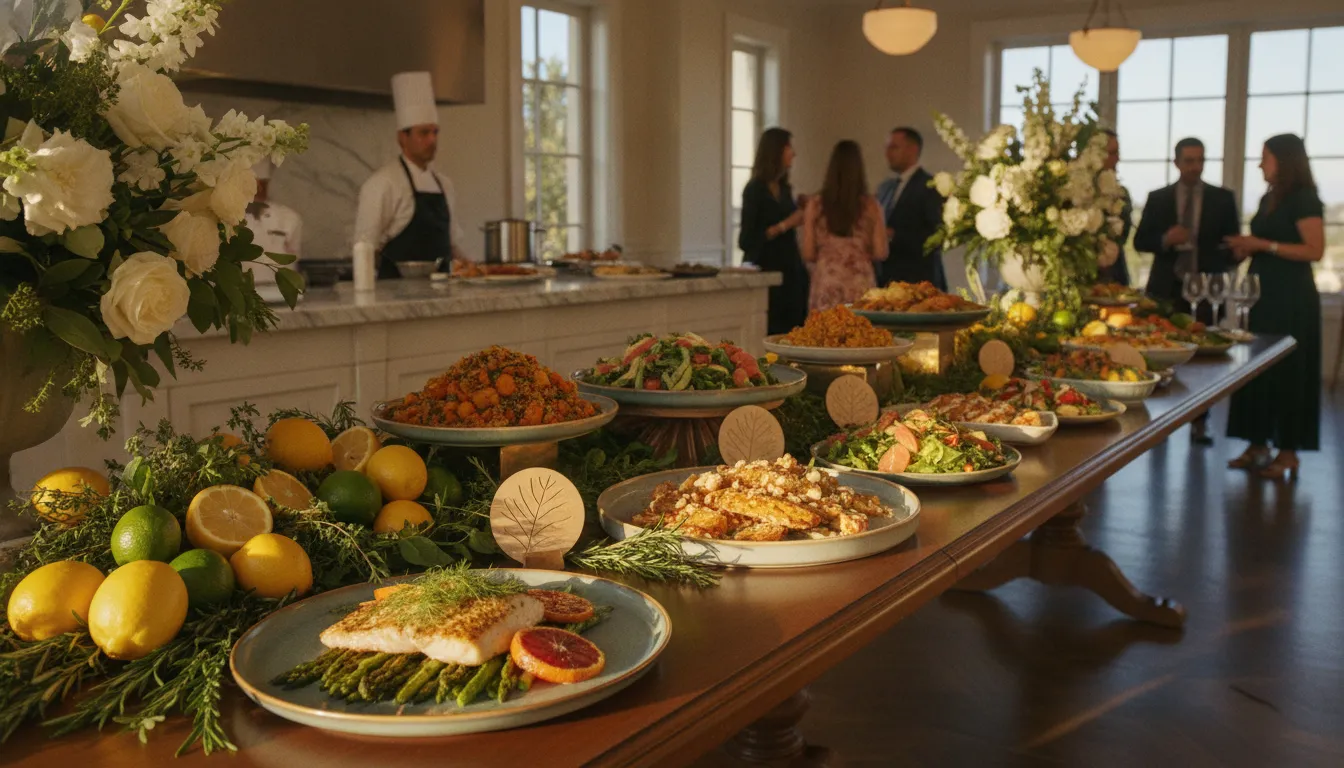
Ingredient review is a central part of the process. The team can discuss recipes, packaged ingredients, sauces, garnishes, and menu items that may require closer examination. Families should also explain whether a guest needs strict gluten avoidance or has a diagnosed allergy, so the service team can plan appropriate communication. Gather does not promise a risk-free or medically certified environment, but it documents the request and plans thoughtfully around it.
Cross-contact questions are addressed before the event rather than left to the last minute. CDC guidance recommends using separate equipment and preparation areas for food-allergy requests when feasible, or thoroughly cleaning and sanitizing surfaces and equipment when separate areas are unavailable. Gather's documented approach includes allergen awareness, preparation planning, and continuous quality monitoring. Read the CDC's food allergy service recommendations for additional context.
Chef Oren personally oversees menu development and preparation standards. He can shape a menu that feels celebratory and cohesive, using seasonal California ingredients while keeping the requested dietary accommodations in view. Families can explore seasonal custom menus as a starting point, then refine dishes, presentation, and service details during consultation.
On event day, Gather's full-service team coordinates early setup, professional staffing, food transport, temperature control, service, and breakdown. Service may be structured as plated courses, family-style dining, stations, or passed appetizers, depending on the venue and celebration. The team communicates relevant dietary details to the appropriate staff, monitors the service as it unfolds. And addresses practical issues in real time so the family can stay focused on welcoming guests and marking the occasion.
Which Mediterranean-Inspired Dishes Work Well for Gluten-Free Mitzvah Menus?
Mediterranean-inspired Mitzvah menus can build naturally gluten-free choices around seasonal produce, seafood, grilled proteins, and carefully selected grains. Every ingredient, garnish, sauce, and preparation area still needs to be reviewed for the guest's specific needs and cross-contact concerns.
For a celebration in La Jolla, Del Mar, Carmel Valley, or Rancho Santa Fe, the menu can feel abundant and festive without relying on wheat-based dishes. Naturally gluten-free ingredients such as meat, seafood, fruit, vegetables, and some grains provide a flexible starting point. Chef Oren can shape those ingredients into a menu that reflects the family's preferences, the event setting, and the service style.
A California citrus and avocado salad with herbs, toasted seeds, and a separately reviewed dressing can bring brightness to a luncheon or dinner.
Seasonal roasted vegetables, such as squash, peppers, eggplant, or artichokes, can be served warm or at room temperature with olive oil, herbs, and a flavorful Mediterranean-inspired sauce.
Grilled chicken, beef, or seafood can anchor a plated dinner, family-style meal, or station, with marinades and finishing sauces reviewed for gluten-containing ingredients.
Rice, potatoes, or another appropriate grain can provide a satisfying accompaniment when sourced and prepared according to the guest's requirements.
Seafood can highlight Southern California's coastal setting, while seasonal vegetables and local avocados add color and texture to passed appetizers, family-style platters, or composed plates. A citrus-marinated fish, herb-grilled protein, or roasted vegetable arrangement can feel celebratory when finished with thoughtful presentation rather than treated as a separate "special diet" plate.
Gather's menus evolve with ingredient availability and seasonal conditions, so the final dishes should be developed during consultation rather than promised as a fixed selection. Review every packaged ingredient, condiment, spice blend, garnish, and preparation method. Cross-contact can happen during storage, preparation, or service, so families should communicate whether a guest has celiac disease. A wheat allergy, another medically significant allergy, or a personal gluten-free preference. The appropriate safeguards and service plan may differ.
Explore Gather's seasonal custom menus for the style of fresh, made-from-scratch presentation that can guide the conversation. Chef Oren personally oversees menu development, and the team can discuss how the menu will be prepared, labeled, presented, and served at the event. Gather documents allergy-aware service, but no caterer should promise a risk-free environment without confirming the specific ingredients, kitchen conditions, venue setup, and guest requirements in advance.
How Should Families Communicate Guest Dietary Needs Before the Event?
Clear, early communication helps the host, caterer, venue, and service team coordinate a thoughtful plan for gluten-free and allergy-aware guests without making medical promises.
For a celebration in La Jolla, Del Mar, Rancho Santa Fe, or another San Diego community. Treat dietary information as an event-planning detail that needs one shared source of truth. Families can use this checklist during the consultation and final event review.
- Confirm the guest count and needs.
Share the expected number of guests, then identify which needs are medically diagnosed allergies, celiac disease, gluten sensitivity, preferences, or other dietary requirements. Ask families to name the affected guest privately when appropriate, while giving the service team enough information to plan responsibly.
Name every relevant allergen.
Do not rely on "allergy-friendly" as a complete description. List the specific allergen, including wheat, dairy, eggs, nuts, sesame, or other ingredients, and flag the severity information the guest's family has provided. The FDA notes that reactions can occur when allergenic substances are not declared on food labels, so ingredient review matters:
FDA allergen-labeling guidance
.
- Review ingredients and recipes with the caterer.
Ask which sauces, marinades, breads, desserts, condiments, and packaged ingredients require verification. Gather by Oren can adapt menus to the family's vision, but each proposed dish and ingredient should be confirmed for the specific event.
Ask direct cross-contact questions.
Discuss preparation surfaces, utensils, equipment, storage, transport, and service. The CDC recommends separate equipment and preparation areas when feasible, or thorough cleaning and sanitizing when they are not available:
.
Plan labels and the service format.
Decide how dietary dishes will be identified, who will explain them, and whether plated service, family-style dining, stations, or passed appetizers best supports clear communication. Include the venue in this discussion and review the
logistics before finalizing the floor plan.
- Set an emergency communication plan.
Designate the event lead, venue contact, catering captain, and guest representative. If a concern arises, the team should pause service, communicate promptly with the designated contacts, and follow the guest's established medical plan and emergency instructions. Caterers do not diagnose, treat, or guarantee a reaction-free environment.
Reconfirm the final guest list, menu, labels, and service responsibilities shortly before the event. A documented plan gives the team a practical reference while allowing everyone to stay focused on connecting family and friends in celebration.
What Does Kosher-Style Catering Mean for Gluten-Free Mitzvah Guests?
Kosher-style catering can describe a menu or service approach that respects a family's preferences, but it is not the same as certified kosher catering. Gluten-free, allergy-aware, and religious dietary requirements should be discussed separately and confirmed with the family, venue, and caterer before the event.
For a multi-generational celebration in La Jolla, Del Mar, or Rancho Santa Fe, one guest may need to avoid gluten because of celiac disease. Another may have a wheat allergy, follow a gluten-free preference, or choose vegan food. These needs are not interchangeable. Celiac disease involves an immune response to gluten that can damage the small intestine, while non-celiac gluten sensitivity does not cause the same type of intestinal damage. A wheat allergy involves an immune response to wheat proteins, which may include gluten. Learn more about these distinctions when planning the menu with a qualified medical professional.
Need | What it addresses | What to confirm |
Gluten-free preference | Avoiding foods containing gluten, including wheat, barley, rye, and triticale. | Ingredients, sauces, garnishes, and possible cross-contact during preparation and service. |
Celiac disease | A medically necessary gluten-free diet where cross-contact may be especially important. | The guest's specific requirements, preparation procedures, labeling, and service plan. |
Wheat allergy | Avoiding wheat proteins that can trigger an immune response. | All ingredients, substitutions, shared equipment, and communication with service staff. |
Non-celiac sensitivity | A guest-reported sensitivity to gluten without equating it with celiac disease. | Which ingredients and dishes the guest needs to avoid. |
Vegan or vegetarian | Plant-based preferences or restrictions that differ from gluten avoidance. | Protein choices, sauces, stocks, garnishes, and whether eggs or dairy are included. |
Kosher-style | A family's requested approach to ingredients, combinations, or service traditions. | Exactly what the family and venue mean by kosher-style. It is not certified kosher. |
Gather by Oren documents vegan, vegetarian, halal, kosher-style, and allergen-aware accommodations, with menus customized to the family's vision. Its full-service model includes menu design, staffing, setup, and service, while allergen awareness and quality monitoring remain part of event operations. Requirements should still be confirmed in advance, because no menu description alone establishes religious certification or guarantees a medically risk-free environment.
When Should San Diego Families Plan Allergy-Friendly Mitzvah Catering?
Begin planning allergy-friendly Mitzvah catering as soon as the date and venue are taking shape. This gives the team time to review the menu, ingredient questions, service format, and kitchen logistics together.
For families in La Jolla, Del Mar, Rancho Santa Fe, Carmel Valley, or North County. An early conversation creates room to refine a menu around the guest list rather than adding dietary requests at the last minute. Some families plan their Mitzvah 12 to 18 months ahead, while a shorter timeline can still be productive when the key details are clearly communicated.
Build the plan in stages
Start by identifying which guests need gluten-free food, which have diagnosed allergies, and which follow a personal preference. Share those distinctions with the caterer and venue before the menu is finalized. Ingredient lists, preparation questions, and cross-contact concerns should be discussed in advance, then revisited as dishes and vendors are confirmed.
Gather by Oren can shape the menu around the family's vision while Chef Oren oversees menu development and preparation standards. A practical planning conversation should cover:
Guest dietary needs and the level of separation each request requires.
Ingredient review for sauces, garnishes, breads, desserts, and packaged components.
Venue kitchen access, preparation areas, storage, transportation, and service timing.
How the service team will identify and communicate allergy-aware dishes during the event.
Reviewing these details early supports the documented practices of allergen awareness, early setup, temperature control, continuous quality monitoring, and real-time problem resolution. It does not replace advice from a guest's medical professional or guarantee an allergen-free environment.
Choose a service format that keeps the event flowing
Plated dinners can make individual accommodations easier to identify. Family-style dining, stations, and passed appetizers can also work when the menu and service plan clearly distinguish dishes and the team understands the requirements. The right choice depends on the venue, guest movement, celebration schedule, and the family's preferred atmosphere.
For a deeper planning reference, review these gluten-free catering considerations. Families can also explore Bar Mitzvah venue catering details as they coordinate the caterer, venue, and service team.
Tell Gather your vision and discuss your Mitzvah menu, dietary needs, and service plan before the FAQ.
Frequently Asked Questions
Can a Mitzvah menu accommodate both gluten-free guests and other dietary needs?
Yes. Gather can discuss gluten-free requests alongside vegetarian, vegan, allergy-aware, halal, and kosher-style needs during menu planning. The family should identify each requirement clearly, including whether it reflects a medical allergy, celiac disease, sensitivity, or preference. That information helps the menu and service plan address the guest's actual needs.
How does Gather approach cross-contact concerns at a Mitzvah?
The planning conversation covers ingredients, recipes, preparation, transport, venue setup, and service. Gather can review separate preparation or service approaches when feasible, coordinate with the venue, and brief the service team on the documented plan. Because every kitchen and venue has different conditions, the team does not promise a risk-free or certified allergen-free environment.
What should families share before requesting allergy-friendly catering?
Share the guest count, specific allergens, the severity of the concern, preferred service format, venue or home location, and any religious or cultural requirements. It is also helpful to identify whether foods will be prepared onsite and how children and adults will be served. Early, specific communication gives Chef Oren more time to shape a thoughtful menu.
When should we discuss dietary accommodations for a San Diego Mitzvah?
Bring dietary needs into the first consultation rather than waiting for the final guest count. This allows the menu, ingredient review, venue coordination, staffing, and service details to develop together for celebrations in La Jolla. Del Mar, Carmel Valley, Rancho Santa Fe, and throughout San Diego County.
Ready to Plan a Thoughtful Mitzvah Menu?
Inclusive catering starts with a clear conversation about your guests, preferences, venue, and the kind of celebration you want to create. Gather by Oren can use that starting point to shape a personalized menu and service plan for your San Diego event. Contact us to tell Gather your Mitzvah vision and request a personalized consultation.


Comments